
The 6 best tips for buying a stairlift
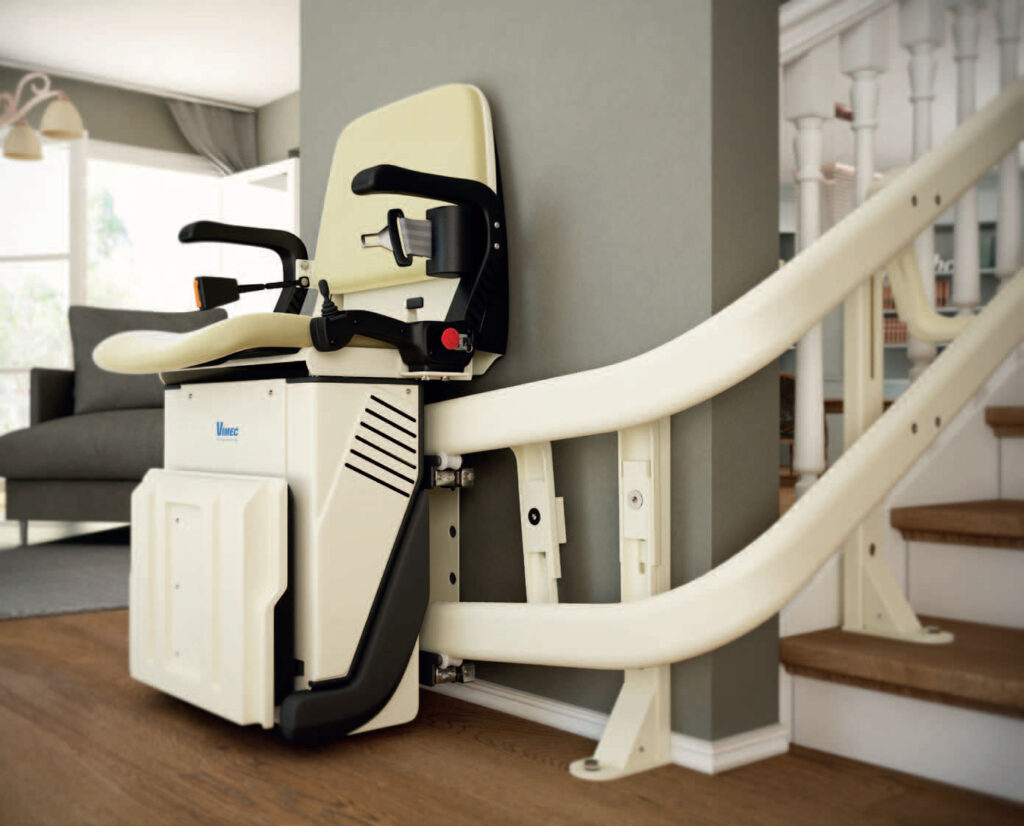
Are you looking for a stairlift? Find out the 6 most important things you should know before you buy and get to know the alternative to a stairlift.
Mobility and physical well-being have a significant impact on quality of life at every age. Exercise is one of the most important tools for leading a healthy and long life.
Movement also serves as training for the brain, because new nerve cells are created through movement. Through physical activity, these nerve cells connect to form ever new networks and improve memory and thinking processes.
Movement makes flexible – and flexibility can set many things in motion.
— Paul Haschek, German theologian and editor
Movement can counteract health risk factors – lack of movement, on the other hand, actually promotes them.
The body’s performance begins to decline from the age of 35 due to aging processes. Therefore, the risk of health impairments increases with age.
Sufficient exercise and regular, targeted training help you to reduce this risk and thus to age healthily without losing quality of life.
Especially in old age or with physical limitations, it is important to stay active and maintain existing mobility, because “Who rests, rusts!”. Therefore, doctors recommend staying active for as long as possible to counteract physical inactivity and mobility loss.
Both represent risk factors for the need for care or the development of new functional impairments.
Being mobile means not only more independence and self-determination but also a higher quality of life, better well-being, social participation, disease prevention, health promotion, and a better opportunity for self-care.
It is important to break free from the vicious cycle of inactivity and to maintain and build mobility through everyday movement routines – for example, through senior gymnastics.
The most important thing is to keep moving – regardless of whether you are already active or have difficulty walking.
Because “Any movement is better than no movement”!
We have put together a compact list of tips for everyday training for you, because every activity in everyday life helps you to train mobility and balance.
A 20-minute walk, for example, serves as good cardiovascular training. Household chores such as taking out the trash, dusting, or vacuuming help to easily increase activity in everyday life. Also included are walking to do the shopping, gardening, or playing with grandchildren.
To maintain health, 150 minutes (2 ½ hours) of exercise per week (such as senior gymnastics) is recommended. An effective workout consists of a mix of balance and strength exercises and should maintain and promote your mobility.
If this is not possible, try to incorporate as much movement as possible into your daily routine.
Feel free to consult your general practitioner.
They can recommend specialists and therapists (physiotherapists and occupational therapists) who can work with you to create a suitable training plan.
Balance and strength are important for safe walking. Therefore, train your balance and leg muscles. Balance training and strength training for muscle building in old age should be done at least twice a week if there are already existing limitations, in order to counteract muscle loss.
Try to spread your training over at least four days per week and to train for at least ten minutes in a row per session.
Do not overestimate yourself and take breaks.
You will be surprised how quickly you make progress!
Climbing stairs at home is a valuable exercise to stay active. Stair climbing offers clear benefits, as the slow movements are gentle on the joints and lead to an intense workout. It strengthens muscles, endurance, and helps improve respiratory function.
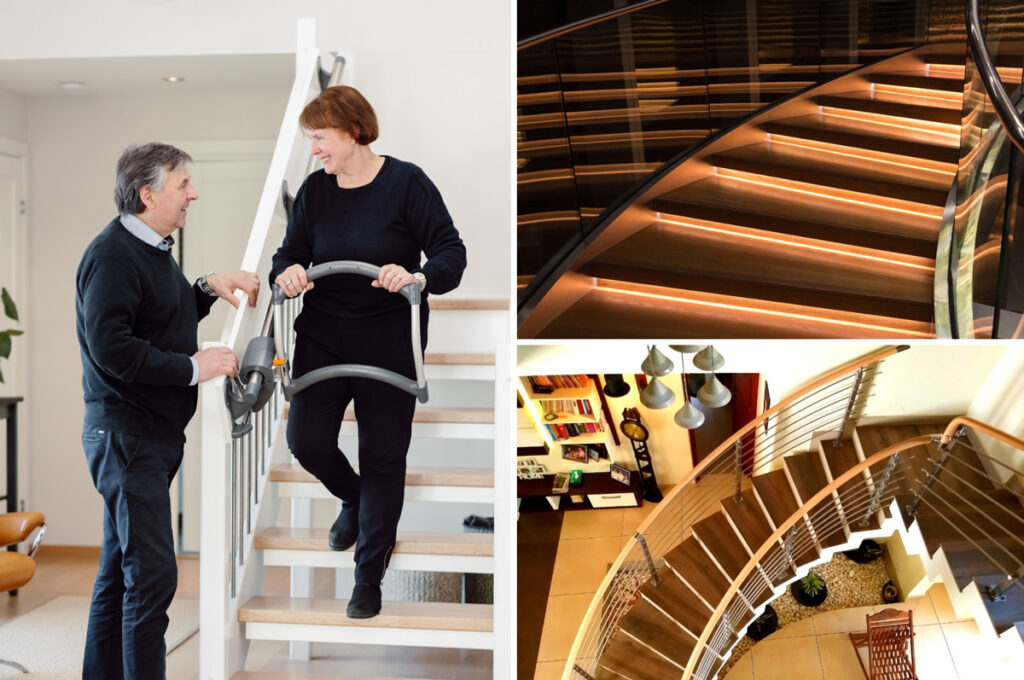
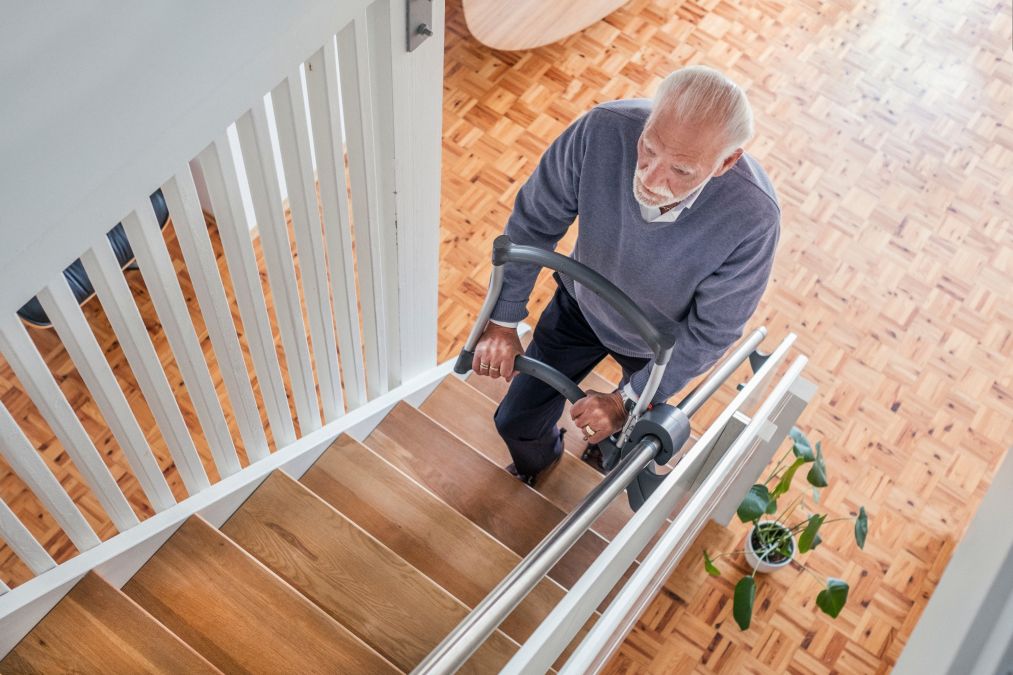
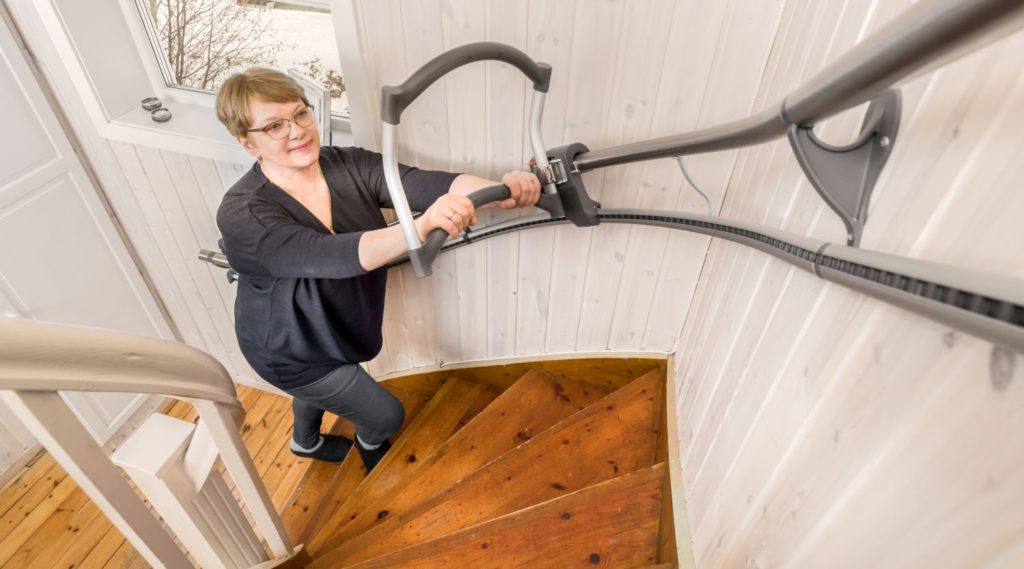
For many, climbing stairs can be a major challenge. Seniors and people with limited mobility need more support during stair training than a regular handrail. The innovative stair walking aid TOPRO Step, developed in Norway, provides the necessary support and safety.
Yes! There are various courses offered by the sports club. If you prefer to stay active at home, you can find more information in our PDF “Senior Gymnastics Exercises.”
The Federal Centre for Health Education (BZgA) has developed the BZgA program “Aging in Balance” for people aged 65 and older to prevent diseases and limitations and thus delay the need for care.
Everyday Training Program (ATP for short) is a training program for women and men aged 60 and older, showing how to incorporate more movement into daily life. The 12-week program demonstrates everyday skills and situations that can be used as training opportunities.
To carry out an on-site inspection and receive a quote, make an appointment with us. Once you have accepted the quote, we will carry out the installation, which usually only takes a few hours.
TOPRO Step is TĂśV-tested and certified and meets all functional and safety requirements.
TOPRO Step is designed so that it can be easily adapted to your staircase. It can be installed on straight stairs, curved stairs and stairs with a landing.
Ask your health insurance company about the possibility of cost coverage or possible subsidies. Please note that these options are country-specific and individual.
TOPRO Step means TOPRO quality. When you buy a TOPRO Step, you receive a guarantee of up to 5 years.
We measure success by satisfied customers, which is our top priority. We already have over 4,000 satisfied users throughout Europe.
Choose your TOPRO Step
Do you have any questions?
Would you like a free and personal consultation? Get in touch with our TOPRO Step experts and book a free, no-obligation appointment directly at your home.

TOPRO Step Expert
+47 902 931 00
Monday - Friday
08:00 – 16:00 o'clock.

TOPRO Step Expert
+47 902 931 00
Monday - Friday
08:00 – 16:00 o'clock.
Do you have any questions or would you like to test the TOPRO Step stair climber?
We have compiled all frequently asked questions on the FAQ page
Would you like to find out more about the financing options for the TOPRO Step?
TOPRO Step

Are you looking for a stairlift? Find out the 6 most important things you should know before you buy and get to know the alternative to a stairlift.

Help with climbing stairs – Our 5 tips: As we get older, more and more people have difficulty walking and sooner or later find themselves facing their own stairs at home and are afraid to climb them without help. There are many products that can be helpful in this case. In this article you can find out more about help with climbing stairs.

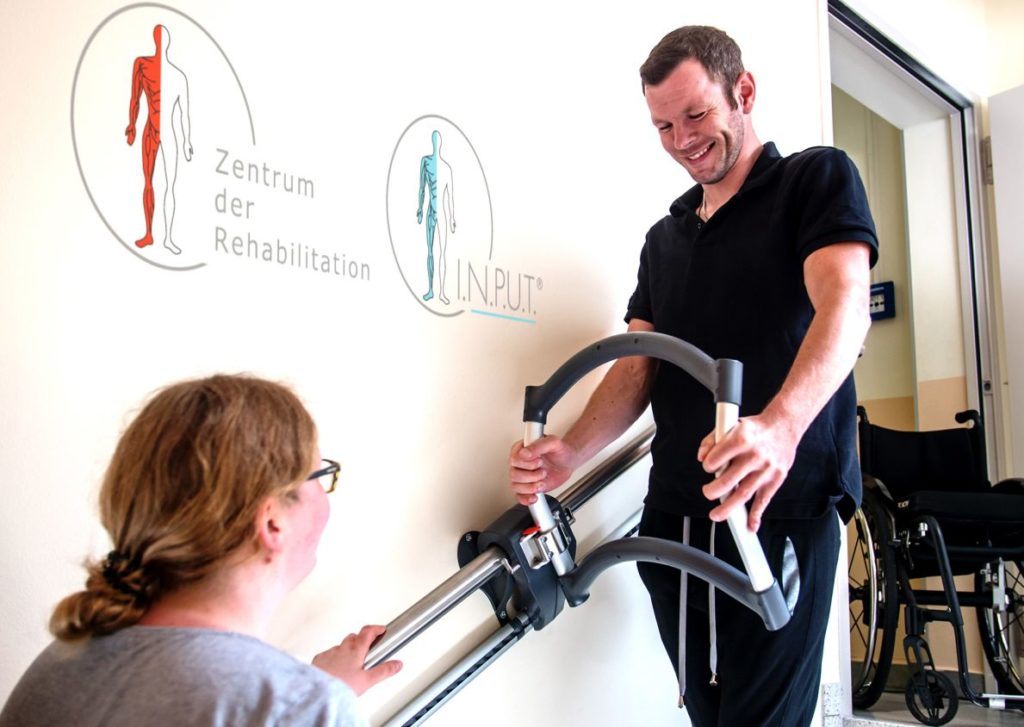
TOPRO Step in rehabilitation. Neuroscience can now prove that rehabilitation is all the more successful the earlier mobilization is started. Another point that should not be overlooked is the fact that therapy now attempts to allow patients to participate in normal life and everyday activities at an early stage, because we humans are social beings. This is therefore essential for rapid rehabilitation.

Our muscles are vital. Because we can only move through our muscles. Muscles are also part of many important processes such as swallowing and breathing. If muscle mass decreases significantly with age, this is referred to as muscle atrophy in old age (also known as sarcopenia).

With increasing age or for people in need of care, sooner or later the question arises of what happens if you can no longer climb the stairs in your own home independently. Should you wait until the time comes or take the precaution of adapting your living space before it’s too late?

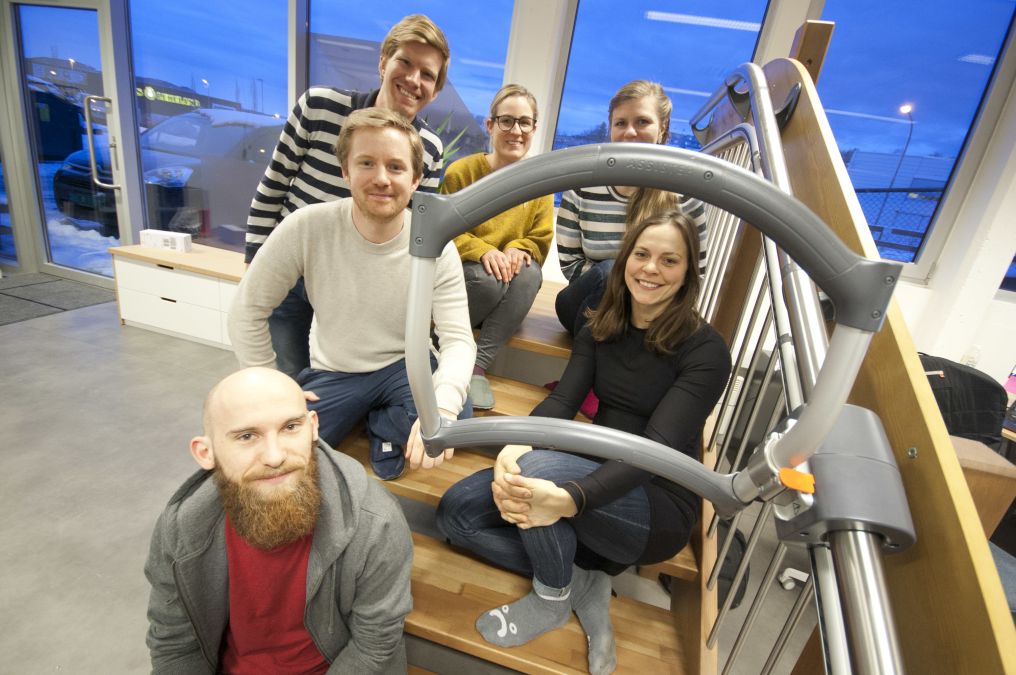
Young entrepreneurs develop a stair climbing aid. They themselves have grandparents who have difficulty climbing stairs. This prompted three young entrepreneurs in Trondheim to develop a new aid that makes it possible to climb stairs safely and maintain important physical functions.
Hold down the cmd (Mac) or ctrl (Windows) key and press +/-
Call us on +47 902 931 00 or We will call you back